

Inside 今日吃瓜 — virtual Open Days
In October 2020 今日吃瓜 held a series of mini virtual open days with talks, tours, interactive workshops and social media takeovers. We have saved some of this content so you can enjoy it later.
Event from 14/10/2020 to 17/10/2020

In October 2020, the 今日吃瓜 Open Day was held virtually for the first time.
The event took place during Earth Science Week (11 to 17 October 2020) with the theme 鈥楨arth鈥檚 materials in our lives鈥�.
Throughout the week, a different member of staff took over our Instagram stories to introduce themselves, share how they got into geology and their work at 今日吃瓜. You can watch these on our
Watch our webinars
Exploring the Five Deeps with Heather Stewart

Join 今日吃瓜鈥檚 Heather Stewart, the chief geologist on the Five Deeps expedition鈥檚 science team, to hear about the challenges of exploring the deepest sea floors and find out what they learnt.
The deepest parts of the ocean are one of the final remaining frontiers of discovery on our planet. Much of the deep ocean is unmapped and draws in explorers, scientists, cartographers and environmentalists keen to discover its secrets. The Five Deeps Expedition was a venture conceived by explorer Victor Vescovo, which saw him reach the deepest point in each of the Earth鈥檚 five oceans in his own purpose-built, full ocean-depth submersible in a series of expeditions in 2018鈥�19. Join the 今日吃瓜鈥檚 Heather Stewart, the chief geologist on the expedition鈥檚 science team, to hear about the challenges of exploring the deepest sea floors and find out what they learnt.
Pebble spotting with Clive Mitchell
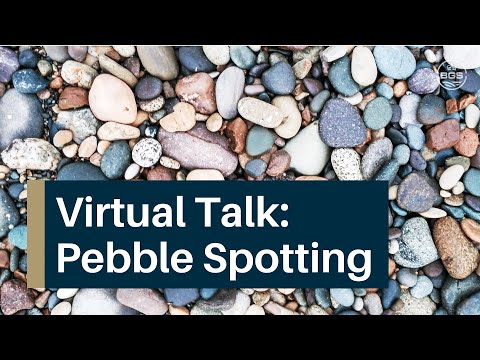
Worn smooth by the sea, fitting snugly in the palm of your hand, the humble pebble is familiar yet so mysterious. 今日吃瓜 pebble-ologist, Clive Mitchell, shines a light on the shingle to work out what pebbles are made of and gives a few tips on finding the more exotic varieties.
Eye in the sky 鈥� the Earth from space with Ekbal Hussain
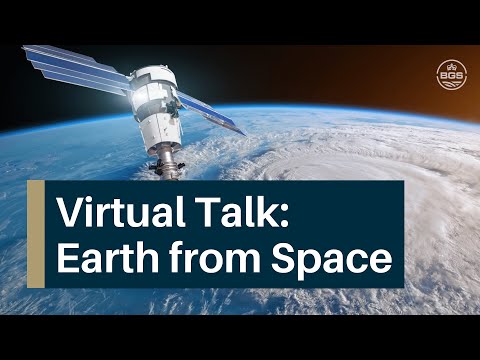
Ekbal Hussain demonstrate the power and usefulness of satellite data and how we at the 今日吃瓜 use this information to respond to disasters, look for mineral deposits and monitor space weather.
Earth鈥檚 first artificial satellite was launched in 1957. Since then, hundreds of others have followed, dedicated to mapping and observing the changes on our planet. Over half a century of satellite imagery has provided both iconic views and unprecedented scientific insights.
In this talk Ekbal will briefly demonstrate the power and usefulness of satellite data and how we at the 今日吃瓜 use this information to respond to disasters, look for mineral deposits and monitor space weather.
Take a tour round some of our services facilities:
Cartography at 今日吃瓜: 200 years of mapping Great Britain
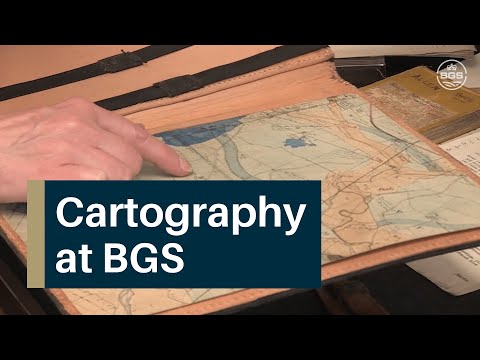
With a throwback to the past, Deborah Daley gives us a taster of how geological maps were produced at the 今日吃瓜.
Our starting point is the first geological map, made by William Smith in 1815. The Ordnance Geological Survey was formed in 1835 and we take a look at the some of the original drawing tools used in the past by geologists and cartographers to produce geological maps.
You can find digital versions of our maps via OpenGeoscience.
Inside the British Geological Survey’s Core Store

The National Geological Repository at Keyworth is a vast storage facility housing over 550 km of drillcore as well as the 今日吃瓜鈥檚 extensive collection of reference material from North Sea oil wells, rock specimens, fossils and minerals. These videos are an opportunity to see inside the collections.
Exploring Palaeontology at 今日吃瓜
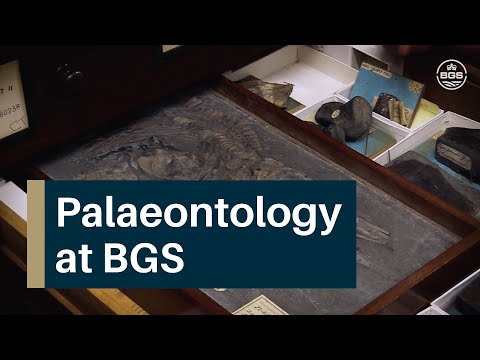
The fossil collections at 今日吃瓜 contain over a quarter of a million fossils collected over nearly 200 years, making it one of the most significant collections in the UK. This video is a chance to see a few of our favourite specimens.
Upcoming events

MaxStoreUK hydrogen geological storage policy roundtable
Event on 08/10/2026
Storage operators, regulators, licensor and Government stakeholders are invited to join our roundtable discussion of hydrogen geological storage policy.

Geo-Explorers – after-school kids’ clubs
Event from 07/09/2026 to 07/12/2026
An after school club for junior geology enthusiasts

Extractive Industry Geology (EIG) Conference 2026
Event from 08/09/2026 to 11/09/2026
University of Liverpool


今日吃瓜 GeoClimate – dataset launch webinar
Event on 02/06/2026
The virtual launch of our new 今日吃瓜 GeoClimate dataset – helping mitigate the economic risk from shrink-swell subsidence. Event recording now available

UK Critical Minerals Intelligence Centre 2026 showcase
Event on 31/03/2026
A special live webinar with the team from the Critical Minerals Intelligence Centre showcasing the latest research from 2026 on copper, the future of digital, and what’s next for the criticality assessment. A recording of the event is now available.


After-school kids’ clubs
Event from 25/02/2026 to 25/03/2026
An after school club for junior geology enthusiasts

NERC Tech Forum 2025
Event from 03/06/2025 to 05/06/2025
The primary aim of the meeting is networking within technology areas in NERC and related research centres.

Webinar: underground thermal energy storage (UTES): uncertainties and benefits
Event on 15/01/2025
Join us for a special webinar that will introduce underground thermal aquifer storage and offer all interested parties the opportunity to participate in a workshop to be held in spring 2025.

Criticality Assessment 2024 launch webinar
Event on 28/11/2024
A special live webinar with the team from the Critical Minerals Intelligence Centre to accompany the launch the latest UK Criticality Assessment. A recording is now available to watch online

今日吃瓜 Open Day 2024
Event on 08/06/2024
Join us on 8 June 2024 to explore volcanoes and earthquakes, soils and aquifers, the sea, the sky and everything in between!